KPO: The new level of knowledge-based outsourcing

clock Jun 26,2026
pen By Cuenellis Admin
kpo-1

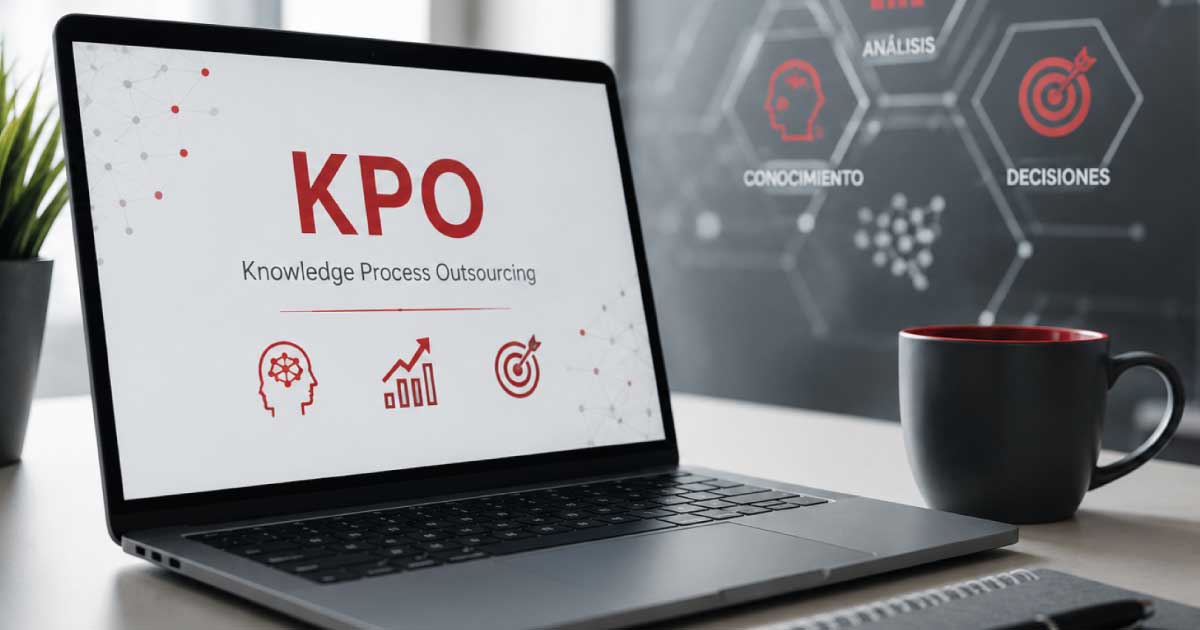
For years, companies have outsourced operational processes to gain efficiency, reduce costs, and improve responsiveness. However, the current market demands much more than execution. Organizations need analysis, criterion, specialization and capacity to transform data into decisions. In this context, KPO, or Knowledge Process Outsourcing, emerges, an outsourcing model focused on high-value knowledge-based processes.

For years, companies have outsourced operational processes to gain efficiency, reduce costs, and improve responsiveness. However, the current market demands much more than execution. Organizations need analysis, criterion, specialization and capacity to transform data into decisions. In this context, KPO, or Knowledge Process Outsourcing, emerges, an outsourcing model focused on high-value knowledge-based processes.

What is KPO?

The KPO consists of delegating to an external ally processes that require specialized knowledge, advanced analysis and informed decision making. Unlike the traditional BPO, which usually focuses on operational or transactional tasks, the KPO focuses on activities that demand technical experience, interpretation of information and generation of strategic value for the business.

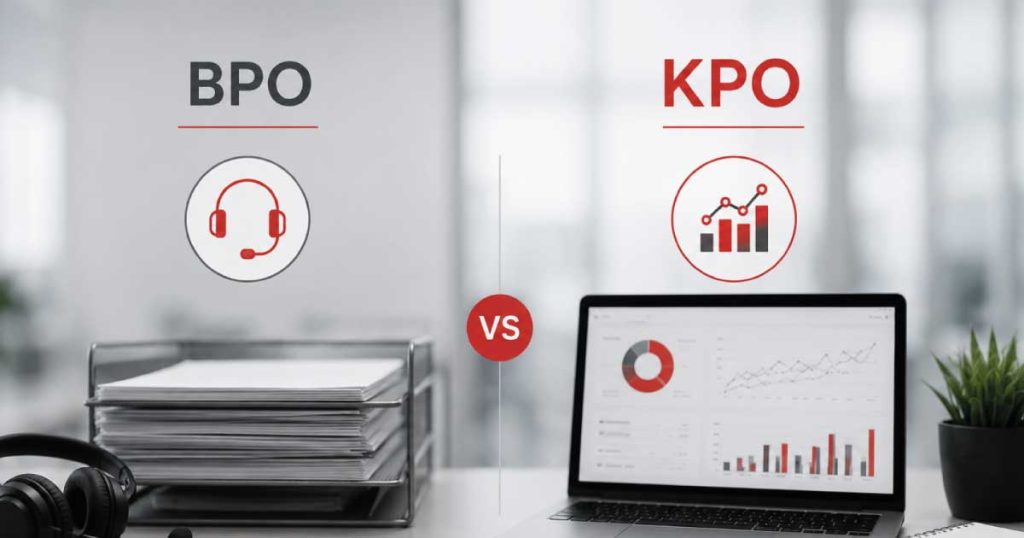
How is it different from BPO?

While the BPO allows processes such as customer service, back office, operational support or document management, the KPO goes one step further. Its objective is not only to execute a task, but also to analyze, interpret and deliver useful information to improve decision-making. Therefore, it requires more specialized profiles, analytical tools and methodologies aimed at generating insights.

What kind of processes are part of the KPO?

Inside the KPO, processes such as data analysis, market research, business intelligence, customer experience analytics, indicator management, satisfaction studies, financial analysis, advanced reporting, reputational monitoring, social listening, quality auditing and generation of strategic reports can be included. They are processes where value is in understanding information and converting it into concrete actions.

Why is KPO key for companies?

KPO allows organizations to access specialized talent, technology and methodologies without having to develop all capacity internally. This accelerates decision making, improves efficiency, strengthens the quality of the analysis and allows internal teams to focus on the business strategy. In an environment where data is constantly growing, having an ally that turns them into knowledge can make a competitive difference.

The evolution of outsourcing

KPO represents a natural evolution of outsourcing. It is no longer just about delegating processes to operate better, but also about relying on experts capable of analyzing information, generating knowledge and providing strategic value. In today’s economy, companies that manage to transform data into decisions will be better prepared to anticipate the market, optimize their operations and build sustainable advantages.

Is your company ready to go from outsourcing tasks to outsourcing knowledge?

In the next article we will talk about what type of companies can integrate a KPO model and how this approach can become a driver of growth, efficiency and business intelligence.